

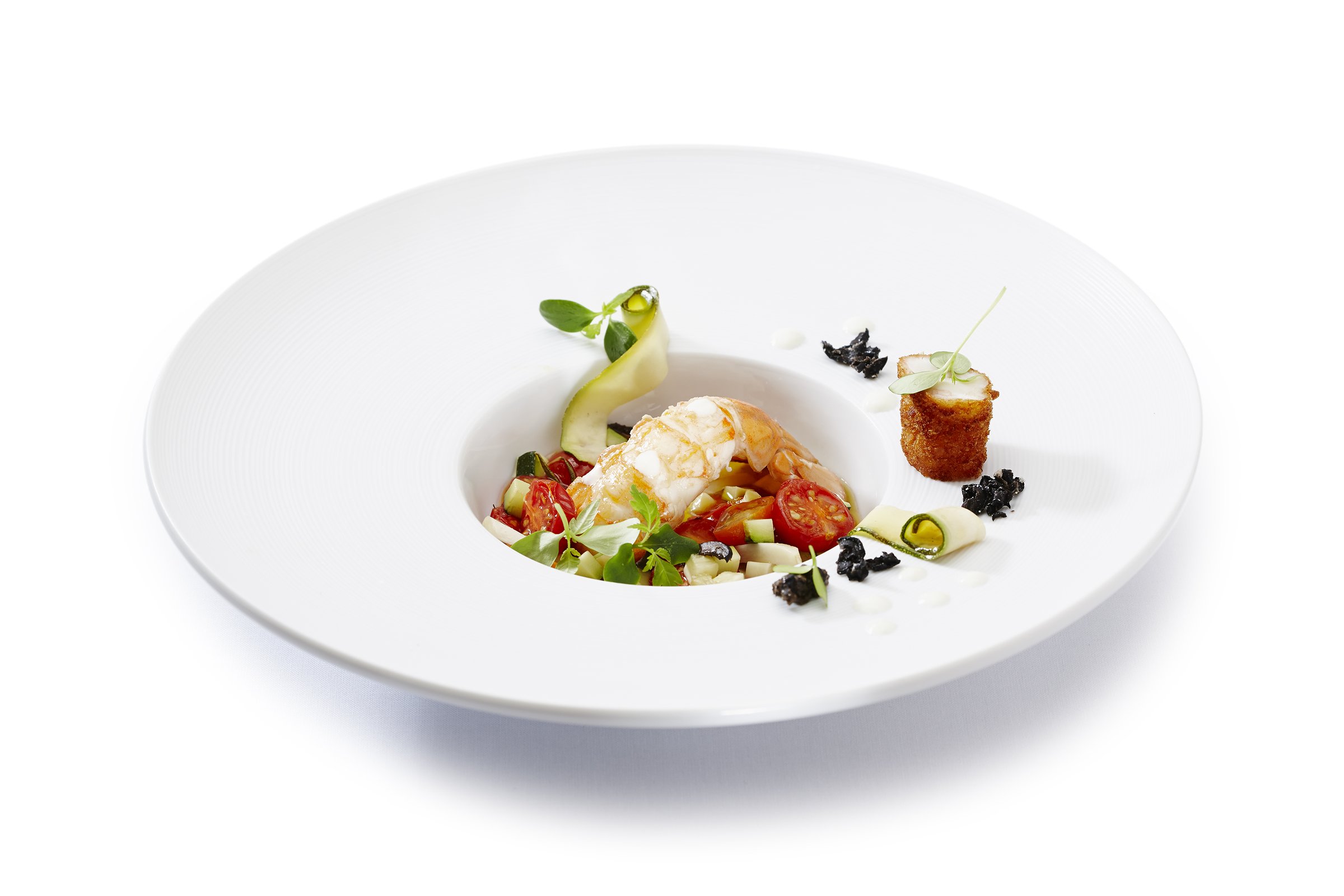
Design. Develop. Deliver. · One year · Lucerne
MSc in Culinary Entrepreneurship
From culinary concept to investor pitch: a Master of Science built for chefs who want their name over the door. One year in Lucerne — awarded with Robert Gordon University (UK).
Why this MSc
Don't just cook the food. Own the restaurant.
Most master's degrees in food are about food science. This one is about the business of food — built for chefs and food-obsessed graduates who intend to run the venture, not just the pass.
In twelve months you add wine credentials (WSET Level 2), digital marketing and branding, strategic management and leadership to your craft — and you leave with an investor-ready business plan for your own concept, developed as your research project.
See the full programme ladder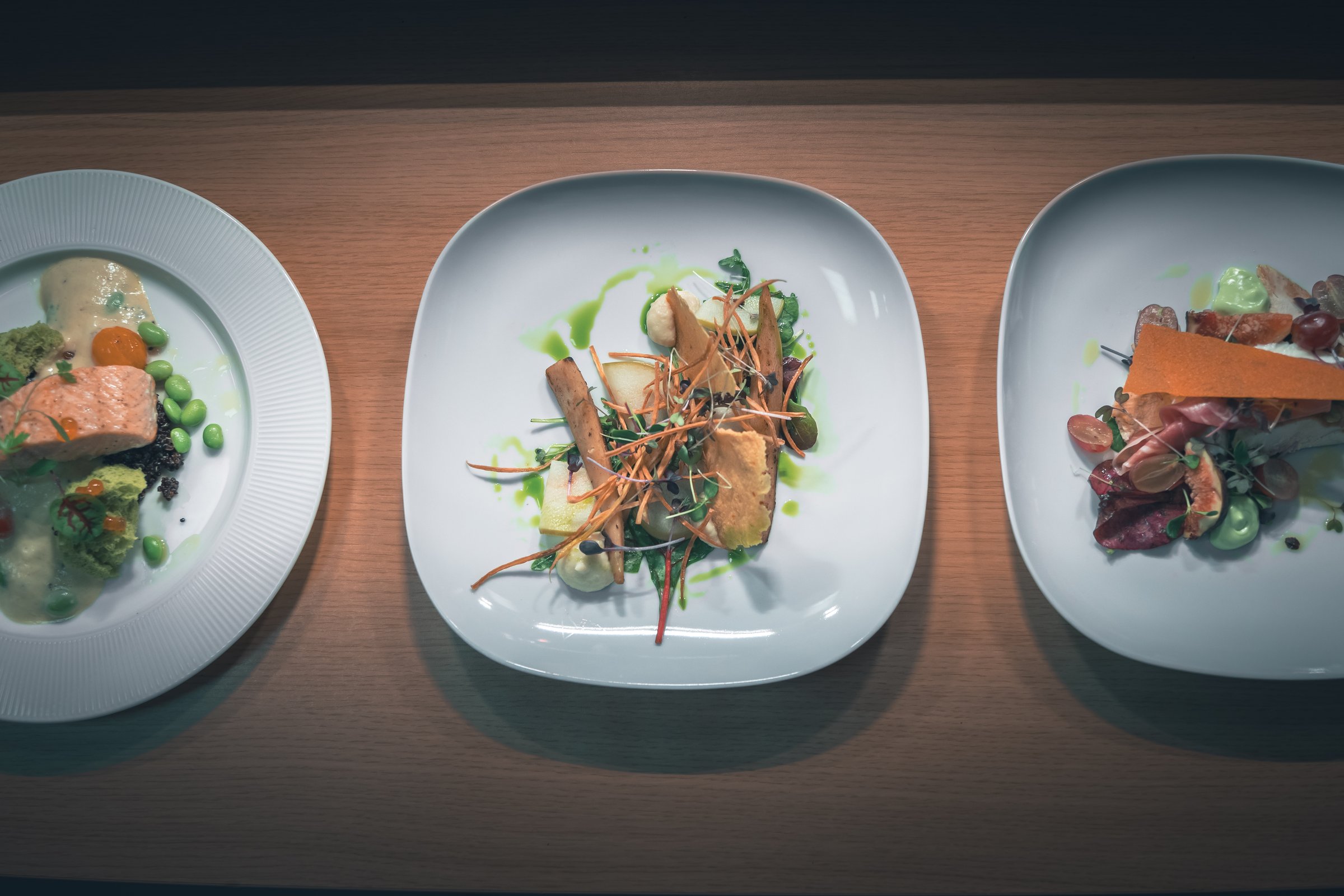
Semester 1 · On campus
The entrepreneur's toolkit
Eight modules that turn a cook into a founder — taught in Lucerne, in English.
- Innovation & Technologies: Shaping the Future of Food
- Culinary & Wine Imaging and Visual Storytelling
- Emerging Trends in Global Wine Entrepreneurship — including WSET Level 2 certification
- Marketing and Branding in a Digital Society
- Strategic Business Management
- Leadership
- International HRM
- Research Methods
WSET Level 2 is included in the wine entrepreneurship module — an internationally recognised wine qualification, earned alongside your degree.
Semester 2 · Off campus
Your business plan is the thesis
Semester two is your Culinary Start-up Business Plan — a real, investor-ready concept developed as your research project. Not a hypothetical case study: the plan you could take to a bank the week after graduation.
An optional immersive internship in Switzerland or abroad lets you test your concept inside a working operation before you commit capital to it.
How BHMS internships work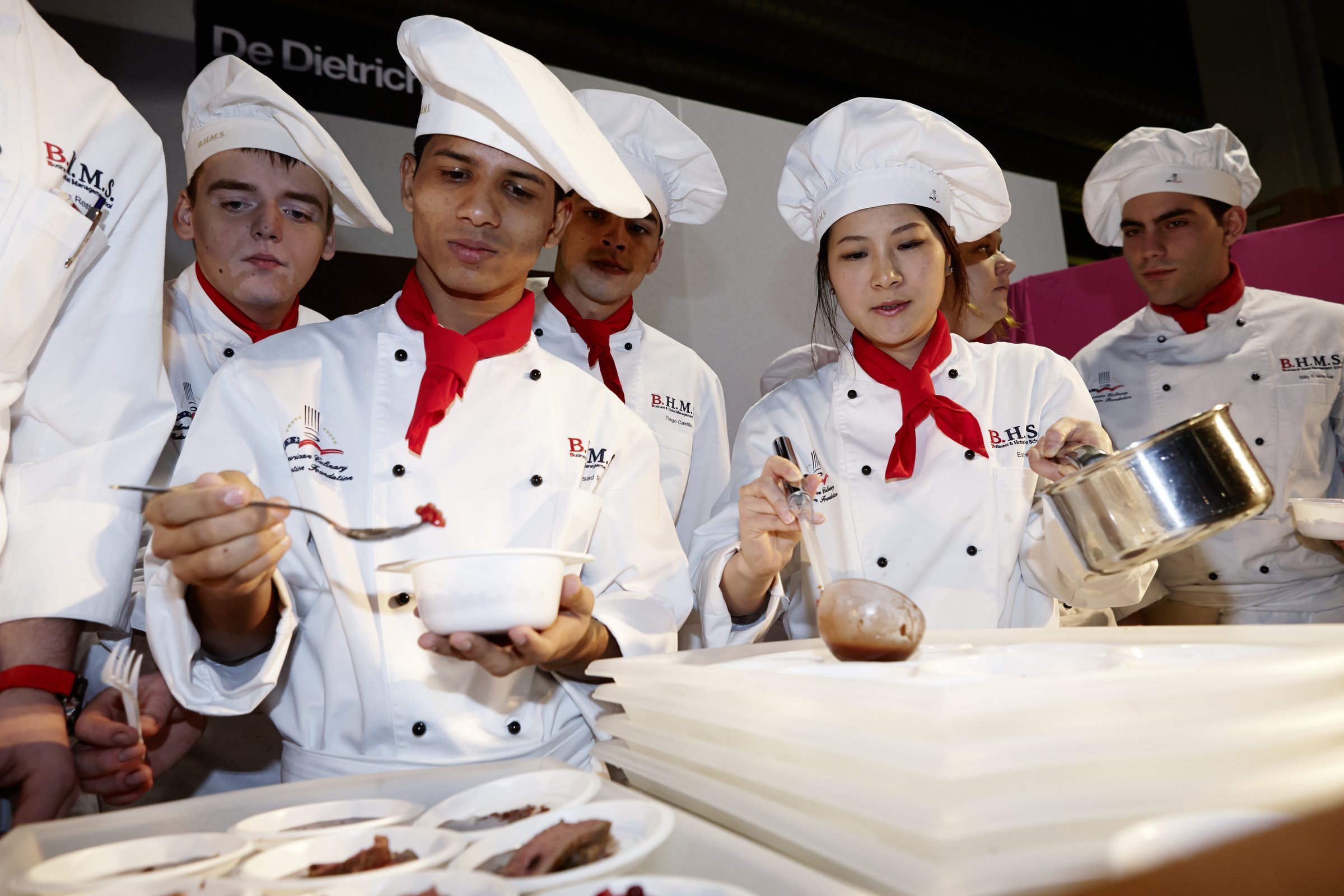
How you're supported
Built like an incubator, not a lecture hall
Business Incubation Studio
Transform your idea into a viable venture with expert guidance, prototype development and investor feedback — ending in a complete business plan and an investor-ready pitch.
Industry experts & mentorship
Learn directly from successful entrepreneurs, investors and innovation leaders through interactive workshops — plus one-to-one tutoring to refine your project and align your career goals.
Entrepreneurial & financial skills
Start-up budgeting, cash-flow forecasting and investor pitching — the numbers side of opening the doors, taught as core curriculum.
Immersive learning
Creativity labs, food markets and culinary field experiences designed to inspire innovation — Lucerne as your test kitchen.
Degree & admission
A UK master's degree, earned in Switzerland
The award
MSc in Culinary Entrepreneurship, awarded with Robert Gordon University, Aberdeen (UK) — 90 ECTS / 180 UK credits.
RGU is Scotland's top-ranked modern university in the current editions of all three major UK league tables, with 250 years of heritage.
Who can apply
- A culinary bachelor degree — or any bachelor degree plus a passion for food
- Career changers welcome via the one-year Postgraduate Diploma route
- English: IELTS 6.0
Coming straight from our own kitchens? The dual-degree BA in Culinary Arts leads directly into the MSc.
Bachelor's holders can join the MSc directly — and if you are weighing this programme against the wider postgraduate range at BHMS, the full line-up of Master's Degrees in Switzerland sits on its own site.
Investment
One fee. Three ways in.
MSc in Culinary Entrepreneurship
CHF 41'700
One year, all-inclusive
MSc + MBA combination
CHF 58'100
Two master's qualifications (2026 price; 2027 to be confirmed)
Certificate + MSc package
CHF 50'000
New to the kitchen? Three-month culinary certificate first, then the MSc (2026 price; 2027 to be confirmed)
Intakes: November 2026 · February 2027 · August 2027
After the MSc
Where a chef-founder goes next
Restaurant & food-venture ownership
Food-tech start-ups
F&B brand management
Consultancy & incubator roles
From your own restaurant to a food-tech venture, the MSc is built to put your name on the business — see where BHMS graduates work.
Watch
See it for yourself
Next step
Three intakes a year. One decision that pays you back.
Next intakes: 16 November 2026 · 22 February 2027 · 16 August 2027 · Lucerne, Switzerland
Every bachelor year pairs six months of study with a six-month paid internship — a guaranteed gross minimum of CHF 2'390/month in Switzerland. How the internship model works →